
Paris 2024 promised to deliver sustainable and socially responsible Games in line with the Olympic Agenda 2020 and the IOC’s New Norm and were the greenest Olympics Games in history. Paris 2024 adopted an eco-conscious approach, encouraging energy conservation, innovation and creativity. Through its Legacy and Sustainability Plan for the Games, Paris 2024 pledged to halve the emissions arising in relation to the Games, while offsetting more CO2 emissions than they generated. This strategy delivered an ambitious, spectacular, universal event that was more responsible, more sustainable, more united and more inclusive. The Legacy and Sustainability Plan provided the guidelines and framework for every decision being made for the Games, such as the venues being used, transportation, catering and much more.
These Games also aimed to keep in touch with the times and inspire new audiences through sports that were engaging, accessible and inclusive. Taking place exactly 100 years after the last time France hosted the Summer Olympic Games in 1924, Paris 2024 celebrated sports and delivered exceptional Games whilst simultaneously responding to the current challenges we face.
Highlights
- A strategy that would revolutionise the Games
- Transforming famous Parisian landmarks into sporting arenas
- An Olympic Village designed with athletes and the planet in mind
- Environmentally friendly modes of transportation to reach the Games
- Sustainable and zero-waste catering to halve the carbon footprint of meals
- Games wide open
The strategy that revolutionised the Games
The Legacy and Sustainability Plan guided every decision taken at Paris 2024. This strategy sought to promote and take advantage of what makes the Games unique, from the event’s capacity to bring people together to shining a spotlight on outstanding initiatives and practices. This plan was established in 2017 and its aims go beyond 2024. The strategy was made up of six pillars that focused on two principal goals:
- Delivering Games that can be held up as an inspiring example both environmentally and socially.
- Leaving a strong social and environmental legacy that harnesses sport to benefit individuals, society and the planet.
Delivering eco-responsible Games that harness sustainable solutions was one of the key pillars of this strategy. This pillar is based on the idea that the conventional Games model was no longer fit for its purpose and would not have allowed France to meet its climate commitments. As a result, Paris 2024 undertook a commitment to align with the objectives of the IOC’s Olympic Agenda 2020. Examples of this include the decision to organise the first edition of the Games in line with the Paris Agreement by halving the event’s greenhouse emissions and guarantying carbon neutrality. Further examples include to deliver an edition of the Games that can be held up as an inspiring example in terms of circular economy and biodiversity.
This commitment bound Paris 2024 along with its stakeholders to take decisions in accordance with this goal. This translates into: the supply of renewable electricity during the Games, sustainable catering, a zero-waste target for the event, a fleet of clean vehicles to transport the Olympic and Paralympic family, competition venues spectators can reach using public and environmentally friendly means of transport, the integration of circular economy principles into permanent and temporary constructions, and the deployment of sustainable technology.
Transforming famous Parisian landmarks into sporting arenas
- The sporting arenas are key to ensure successful Games, in order to meet the aim of halving carbon emissions, Paris 2024 saw its famous monuments and sights transformed for the Olympic Games to host an array of tournaments and events across the city.
- Firstly, the Games used 100% renewable energy to power the Games and the Organising Committee’s headquarters.
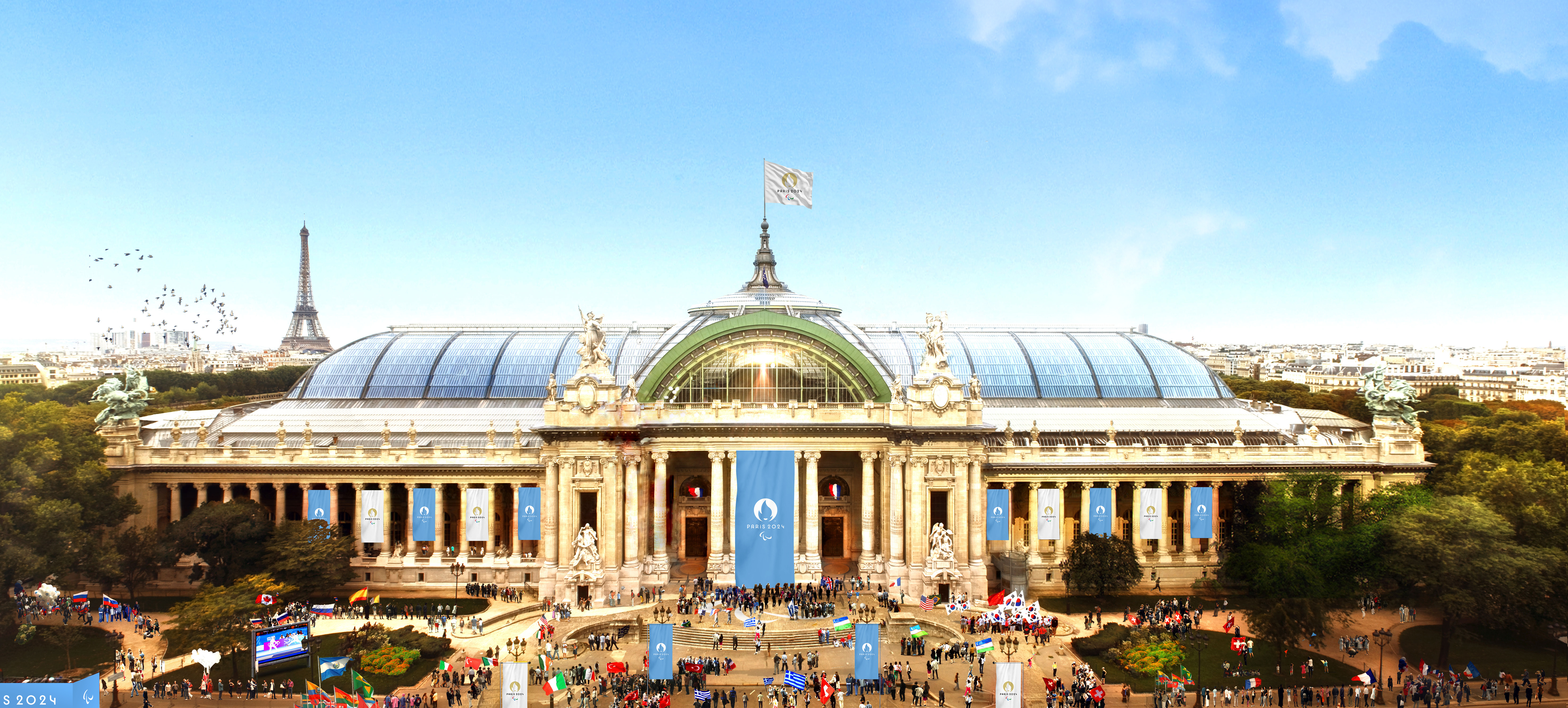
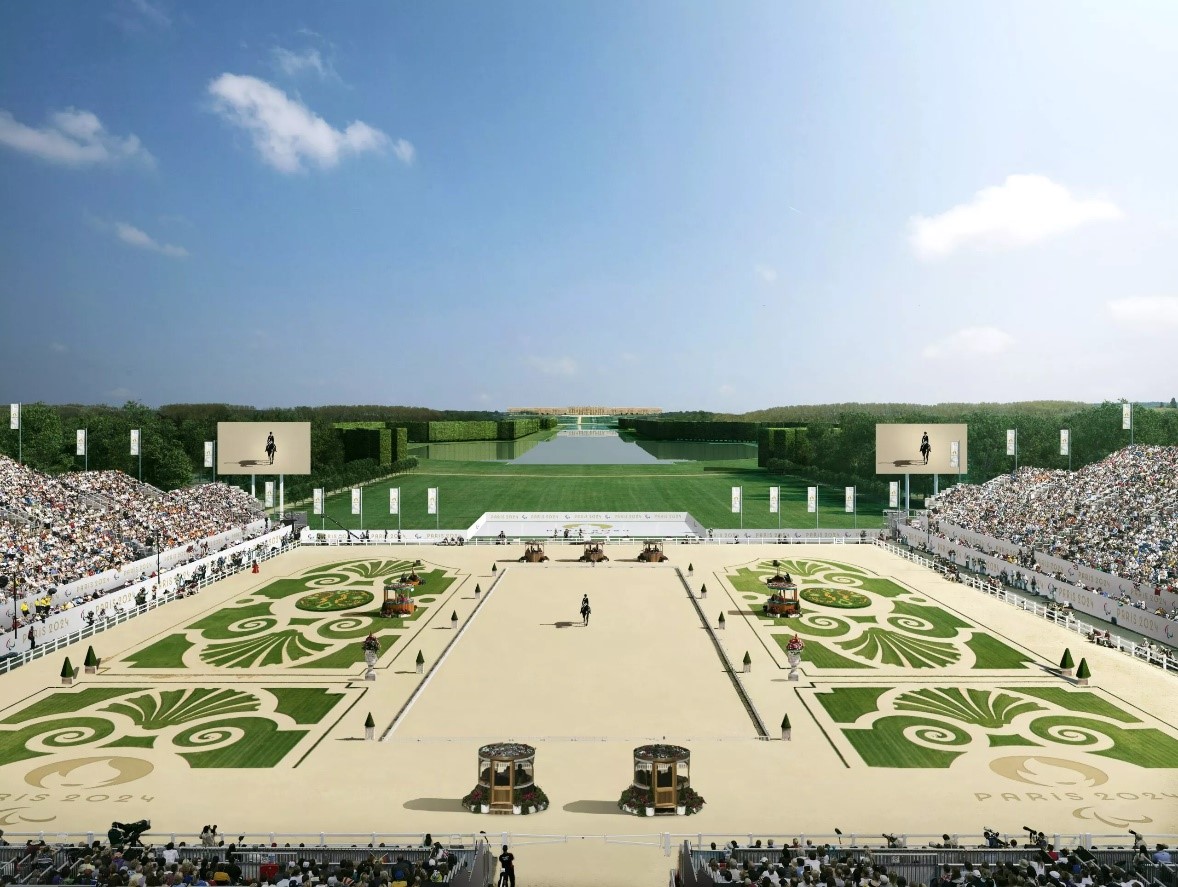
- The Games also used 95% of existing venues or temporary venues as a means to minimise the environmental impact. By doing so Paris 2024 was able to significantly reduce the carbon footprint as well as put a spotlight on to the wealth of French architecture by transforming some of Paris’ infamous landmarks into sporting arenas. For instance, Le Chateaux de Versailles was used for the equestrian events, similarly the Champ de Mars (beneath the Eiffel Tower) was used for beach volleyball. The Paris Expo Centre at Porte de Versailles in the 15th arrondissement was transformed for table tennis and handball tournaments, Roland Garros was used for the tennis tournaments and Le Grand Palais was used for fencing and taekwondo events.
- Paris 2024 was also able to track its carbon footprint and ensure that the targets set were met.
An Olympic Village designed with athletes and the planet in mind
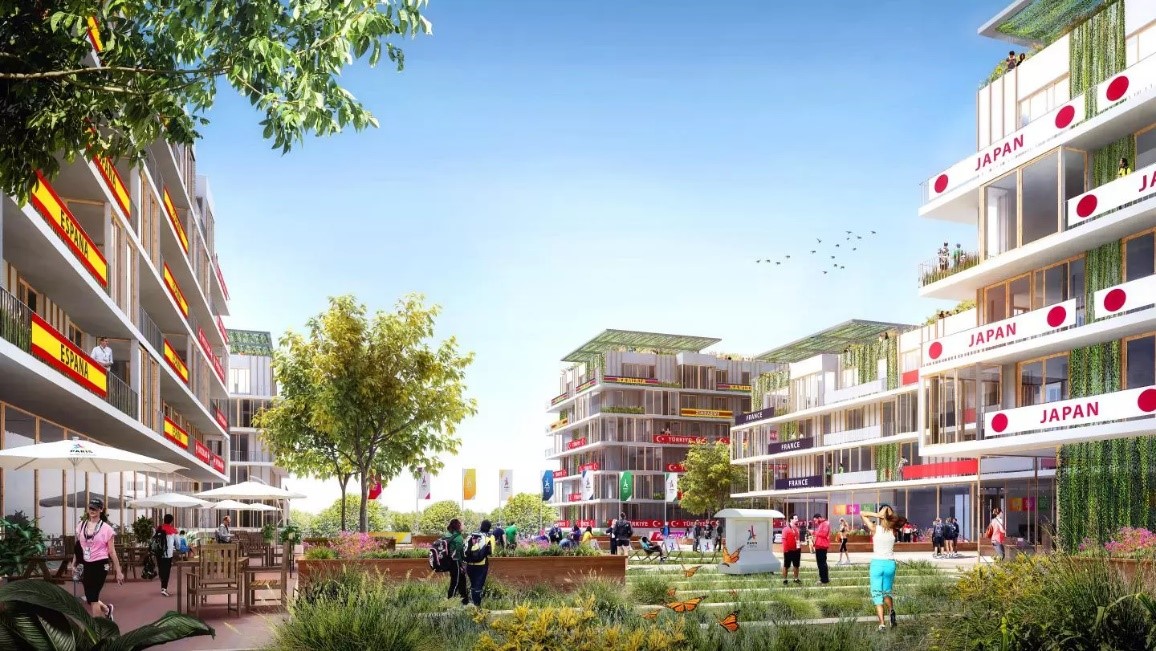
For the Olympic Village in Saint-Denis in the northern suburbs of Paris, low carbon materials and methods were used in order to halve the carbon emissions. This included:
- Using 94% recycled materials.
- A special construction process that emitted half the carbon of typical processes.
- New architectural techniques such as wooden buildings, flexible structures, internal-external air quality, and low-carbon emissions concrete. For instance, the cement producer Ecocem provided its new ultra-low carbon cement for the project. This alternative to traditional cement significantly reduced the carbon footprint.
- The aquatics centre was constructed using bio-based building materials only, with a timber structure and roof frame; it was covered with solar panels and served as a solar farm.
- Now that the Games are over, the Olympic Village is used as additional offices and flats in Saint-Denis. Putting the spotlight on Saint-Denis will also act as a means to regenerate attraction to this suburb of Paris and help visitors to see the area as welcoming, diverse and culturally rich.
Environmentally friendly modes of transportation to reach the Games
Given that millions of spectators who attended the Games and 10,500 athletes participating, it was crucial to ensure that the means of transportation available were in line with the sustainability principle of the Paris 2024 Games.
- The Olympic Torch made the journey from Greece to France via boat to respect the sustainability principles set for the Olympics.
- A fleet of clean vehicles transported the Olympic and Paralympic family.
- Spectators were able to reach the competition venues using public and environmentally friendly means of transportation, overseen by Île-de France Mobilités in the Greater Paris Region, in the form of buses, metro and RER lines and trams.
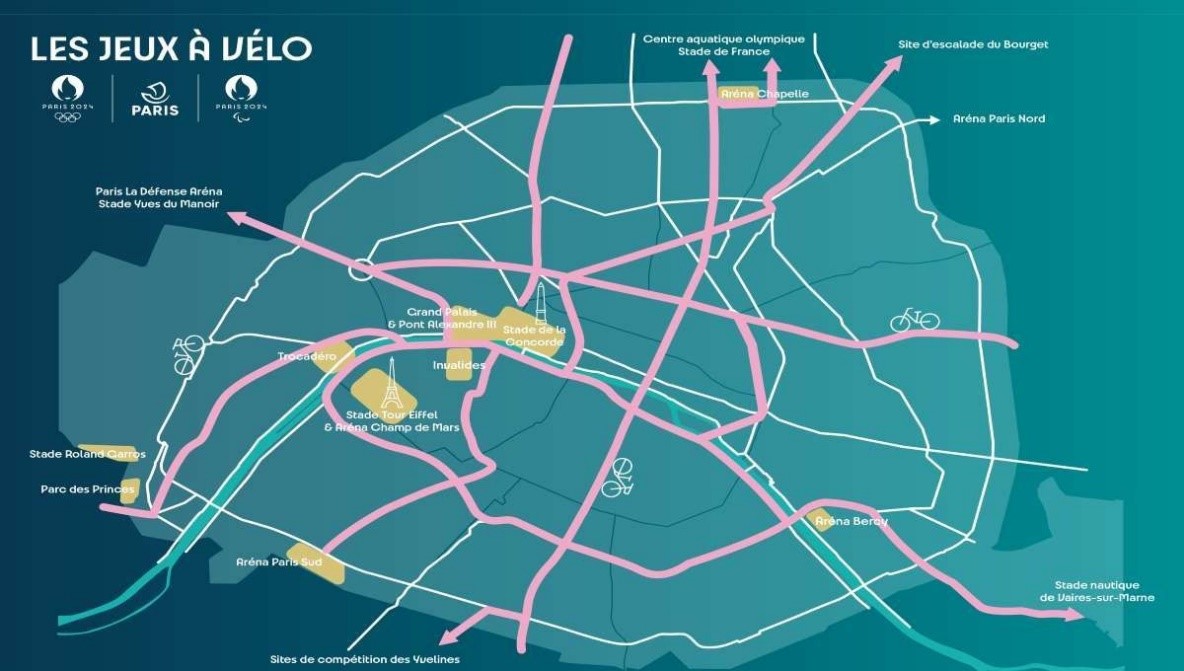
- Paris opened 55km of additional cycling lanes for the 2024 Olympics. This allowed spectators to cycle from the city centre to sporting sites.
- Using clean energy to power the vehicles transporting the athletes, and making the Games accessible via public transport or other environmentally friendly modes of transportation such as cycling, significantly reduced the overall carbon footprint of the Games.
Sustainable and zero-waste catering to halve the carbon footprint of meals
- With 13 million meals served during the Olympic and Paralympic Games, it was clear that sustainable and zero-waste catering was key.
- There were twice as many plant-based foods per meal, with 100% certified food to guarantee the origin and quality of the products (80% from France, 25% sourced within 250km of the competition sites, 100% responsible fishing, 100% French dairy products, etc).
- The objective of zero-waste was achieved by sizing quantities, designing recipes that reduce the risk of waste and recycling 100% of non-consumed food.
- Half the amount of single-use plastic was used in catering, in response to high expectations – particularly from athletes and consumers – to reduce plastic pollution. This was achieved by reusing 100% of the tableware for on-site catering.
- 100% of the equipment and infrastructure used for catering during the Games is being reused. The Paris 2024 Games anticipated the reuse of tableware, such as cutlery and plates, as well as catering facilities, most of which will be in existing structures. For instance, catering in the Athletes’ Village was provided in the Cité du Cinéma (a giant film studio complex in Saint Denis). In total, these targets halved the average carbon footprint of a meal during the Games.
Games wide open
- Inclusivity was present at every level of the Olympic and Paralympic Games. This started with the Olympic Torch Relay, for which the selection criteria ensured diversity in terms of disabilities and other minorities.
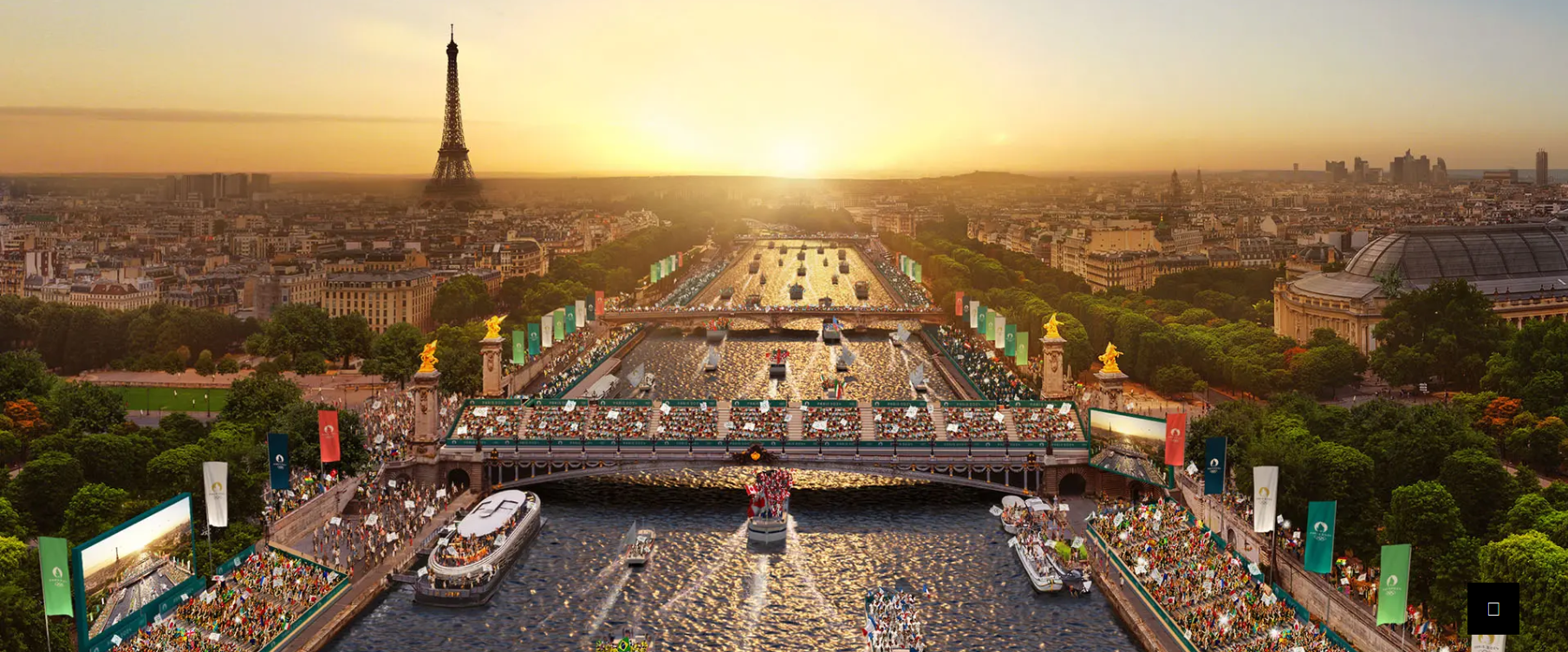
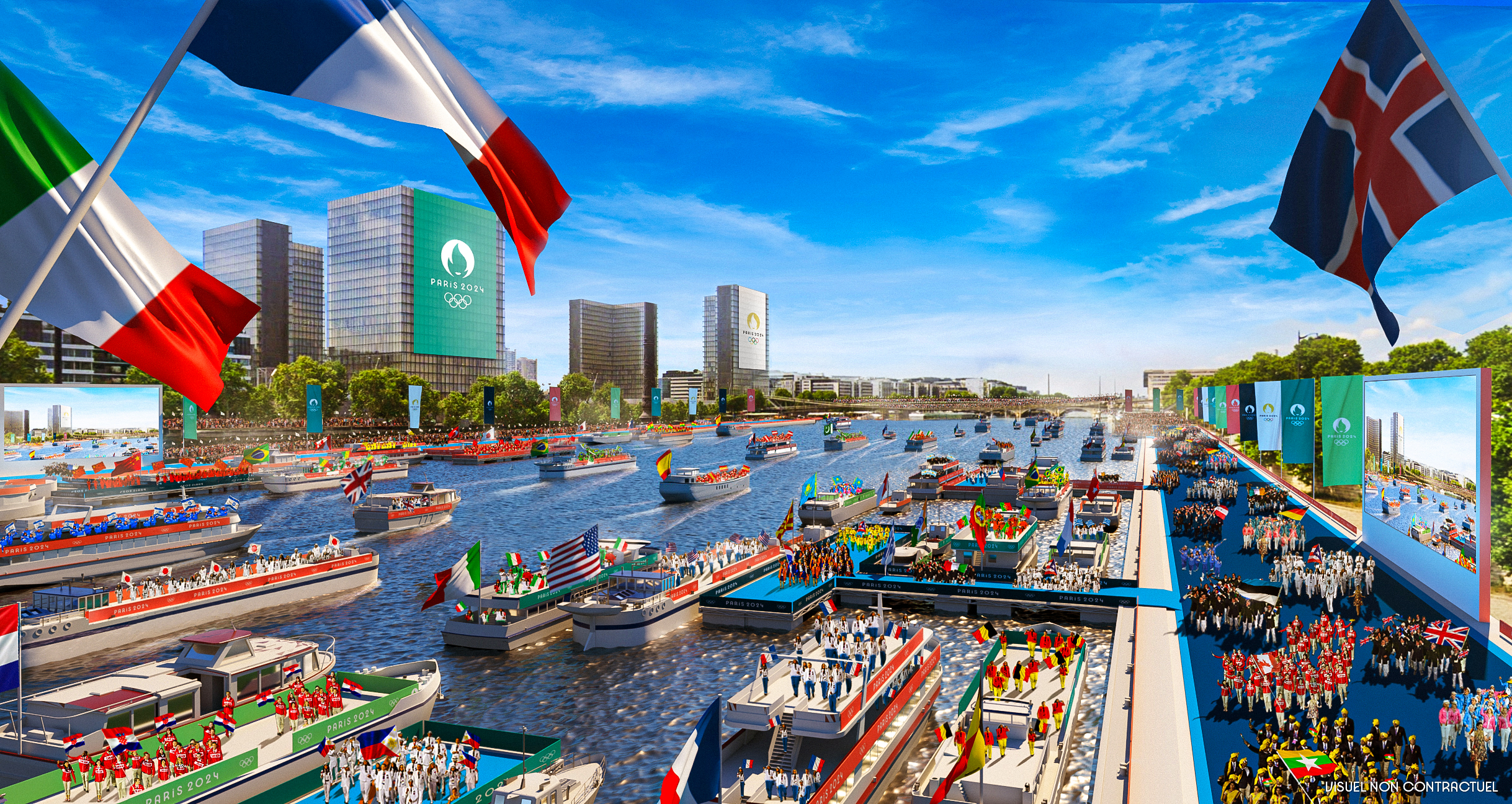
- The Opening Olympic Ceremony broke with tradition by taking place in the heart of Paris with the Seine as a backdrop. For the first time, the ceremony was accessible to over 600,000 spectators.
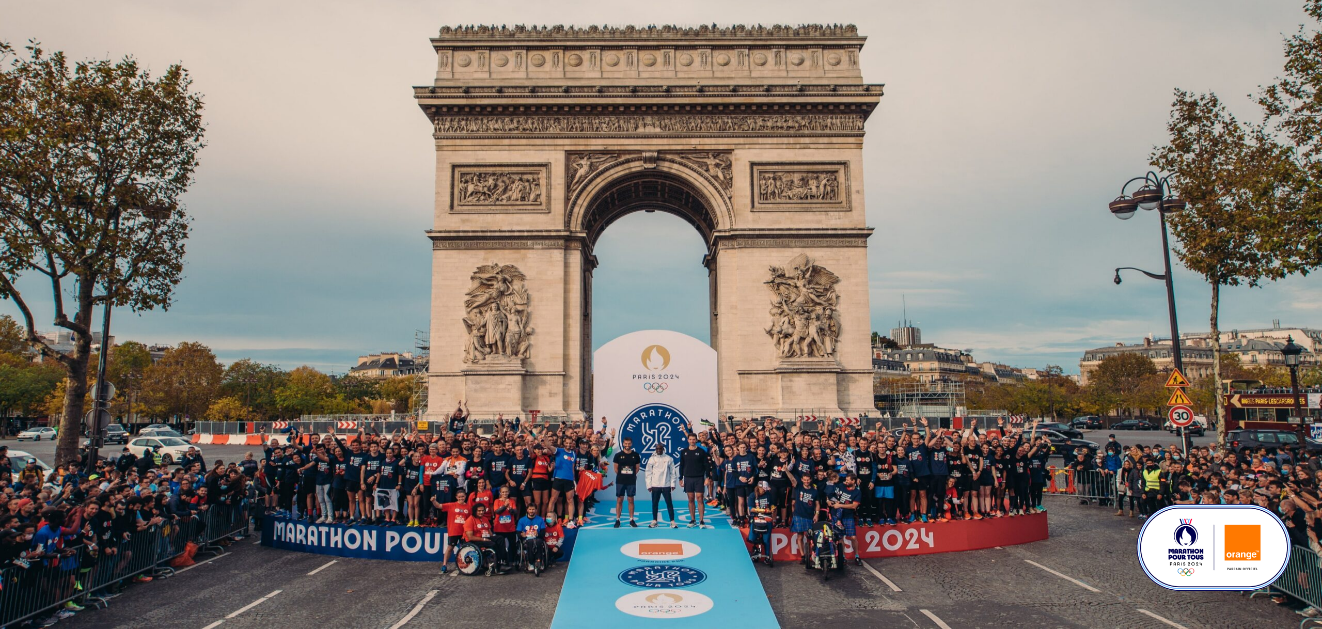
- For the first time in the history of the Games, the public had the opportunity to take part in the ‘Paris 2024 Mass Participation Marathon’, under the same conditions as those experienced by Olympic athletes.
- The Games used immersive technology such as VR and connected sports to people around the globe to take on the best international athletes.
- Paris 2024 launched a charitable ticketing scheme in partnership with the charity ‘Secours Populaire’, allowing all ticket buyers to donate 2 euros to enable people living in low-income households to have the opportunity to attend the Games.
- The official slogan of the Paris 2024 Olympics and Paralympic Games, ‘’Games Wide Open’’, further reiterated that inclusivity and diversity were at the heart of the Paris 2024 Games.
Find out more about the steps that France is taking to go green here: Going green: France’s steps to become a leading European destination for sustainable tourism (franceuncovered.com)
 franceuncovered.com